Deferred Maintenance Backlog in Aged Care and Resident Harm Risk

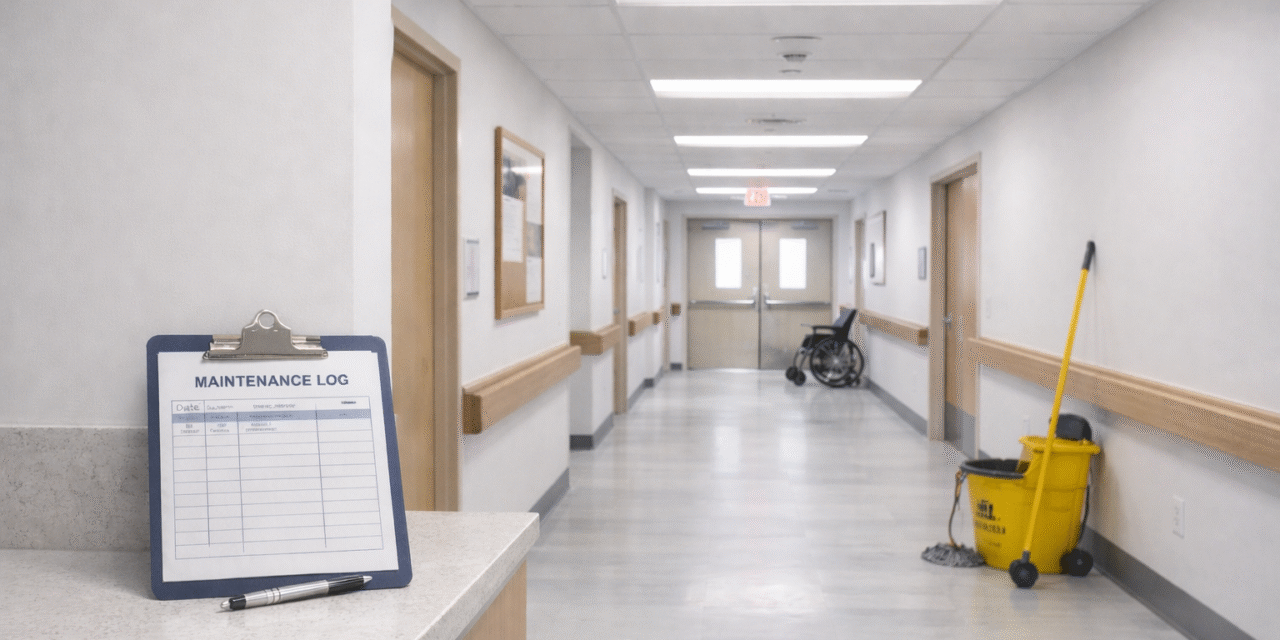
It Was Logged. That Was Not the Problem. In most aged care homes, environmental faults are not ignored. They are documented. Work orders are raised. Vendors are contacted. Yet during incident reconstruction, the central question is rarely whether the issue was identified. It is why it remained open. Logging demonstrates awareness. Resolution demonstrates control. When...


Aged Care Act Compliance 2026: Where Enforcement Will Test Providers First

Aged Care Act Compliance in 2026: Where Enforcement Will Land First November 2025 marked the formal implementation of the Aged Care Act. What changed at that point was not only the legislative framework, but the tolerance that surrounded it. From 2026 onward, alignment, effort, and visible progress no longer function as protective signals on their...

When documentation stops protecting governance

Most aged care providers believe their documentation gives leadership confidence. Assessments are complete, care plans are current, and reports look clean. That confidence feels rational until scrutiny applies a different test. Increasingly, reviewers are asking whether leadership could reasonably see risk early enough to intervene, without explanation, reconstruction, or hindsight. This question is not hypothetical....

The Care Execution Gap: A Framework for Strengthening Consistency Across Every Shift

Daily care execution shapes the reality of aged care performance. Policies, audit findings, care plans, and governance frameworks all matter, but the decisive factor remains what unfolds during each shift. Providers across the sector face a persistent challenge: the gap between what care teams intend to deliver and what actually happens in the flow of...

Introducing Acredia Insights: Intelligence that cares

Aged care continues to evolve, shaped by new expectations, increasing regulation, and the growing need for connected care. As providers look for ways to deliver better outcomes for residents and support their teams, technology, including artificial intelligence (AI), is becoming an important part of the solution. To support this change, Acredia has launched Acredia Insights:...

New eNRMC Requirements: Safer Prescribing, Better Medication Management

The Electronic National Residential Medication Chart (eNRMC) is an important part of medication management in residential aged care. It enables prescribers, pharmacists, and aged care staff to work from the same digital chart, covering the legal prescribing, supply, and claiming of PBS and RPBS medicines, including Schedule 8 (S8) drugs. Recently, the Australian Digital Health...

New Features in Care Statements: Clearer Information, Better Communication

Care Statements are an important part of residential aged care in Australia. They are monthly reports provided to residents or their representatives to explain the care and services received. According to the Australian Government Department of Health and Aged Care, these statements aim to improve transparency and ensure residents and families understand the support provided....

Acredia Becomes interRAI Licensee for Enhanced Care and Compliance

Acredia is proud to announce that we are now an official interRAI licensee. This powerful collaboration combines Acredia’s all-in-one aged care software platform with interRAI’s comprehensive assessment system, empowering your facility to achieve new heights in care quality, efficiency, and compliance, as well as improve clinical decision-making and resident outcomes.   Why interRAI Matters in...

Copyright 2025. Acredia. All rights reserved.

bt_bb_section_top_section_coverage_image
bt_bb_section_bottom_section_coverage_image