
When the Condition Changed and Nobody Documented It: The Observation Gap in Aged Care

The clinical observation aged care documentation challenge that most residential providers are managing sits in the gap between formal quarterly care plan reviews. Staff observe condition changes daily. They notice repositioning resistance developing over a fortnight, oral intake declining across a week, behavioural shifts that two or three carers identify independently on separate shifts. The observations are clinically sound, and in the majority of...

When Your Care Plan Is the Problem, Not the Defence

The gap that opens after quarterly review Care plan compliance aged care providers consistently measure involves the plans themselves: whether they are current, clinically appropriate, and reviewed on schedule. Most facilities have processes for this. They work reasonably well. Plans are updated following assessments, requirements are documented, staff are briefed at handover. What most processes...

Contractor Eligibility Drift in Australian Aged Care

Why Documentation Does Not Equal Continuous Eligibility Control Most aged care providers maintain contractor documentation. Insurance certificates are stored. Induction records are completed. Digital sign-in systems record attendance. Shared drives contain folders organised by contractor name and year. The exposure does not arise because documentation is missing. It arises when eligibility must be demonstrated as...

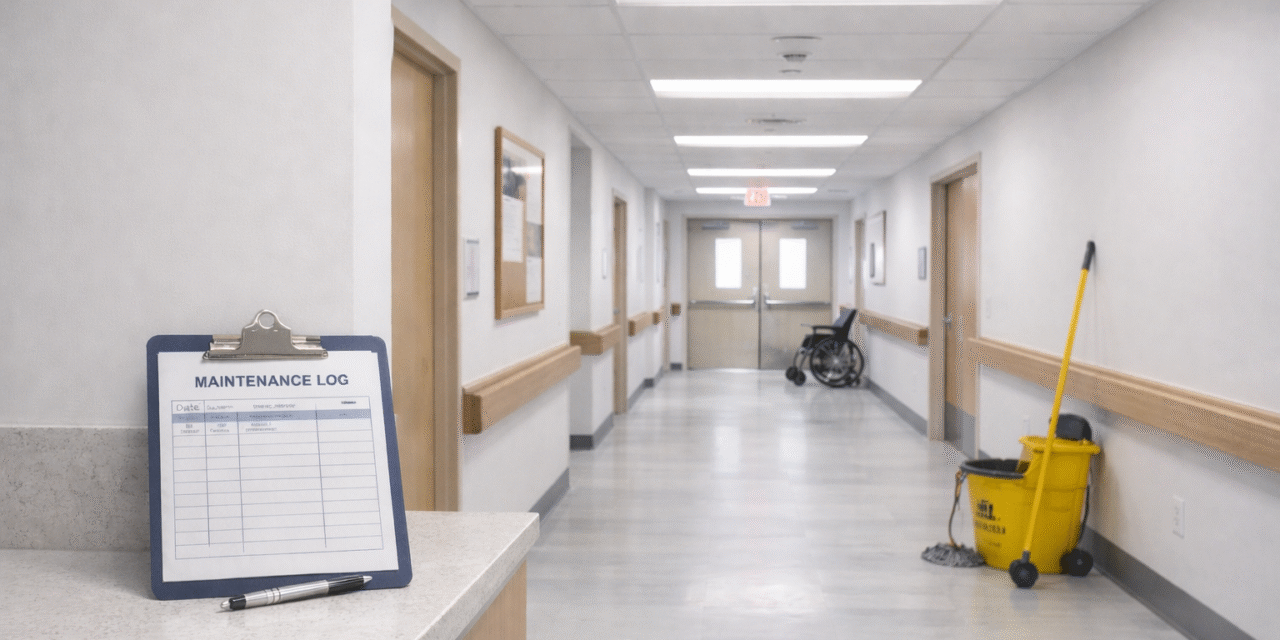
Deferred Maintenance Backlog in Aged Care and Resident Harm Risk

It Was Logged. That Was Not the Problem. In most aged care homes, environmental faults are not ignored. They are documented. Work orders are raised. Vendors are contacted. Yet during incident reconstruction, the central question is rarely whether the issue was identified. It is why it remained open. Logging demonstrates awareness. Resolution demonstrates control. When...

Why Escalation in Aged Care Can Function Properly and Still Fail to Change Decisions

The Problem Is Rarely Silence In aged care, risk is usually visible early. Aged care risk signals emerge through incident patterns, staffing strain, supervision gaps, documentation pressure, quality findings, and repeated near-misses. These issues are raised because they interfere with daily judgement and care delivery. What fails is not detection. What fails is decision impact....

Aged Care Incident Recurrence Is Not Random

When incidents keep coming back after closure In many Australian aged care organisations, incident response is not the weak point. Events are escalated, investigated, documented, and closed. Corrective actions are completed. Reporting obligations are met. From the outside, the system appears orderly and responsive. And yet, the same types of incidents keep returning. Months later,...

Documentation Is the First Thing Audits Stop Believing: Why Cleanup Activity Signals Governance Exposure

Documentation is foundational to compliance in aged care, but not in the way most organisations think. Under audit conditions, regulators do not simply check whether documents exist. They assess whether the records demonstrate governance control that actually existed when decisions were made, not after the fact. In Australia, audits of aged care providers are conducted...

For Purpose Aged Care Australia (FPACA) today announced a major strategic investment in Acredia, with a bold commitment to fund and accelerate research and development (R&D) to transform the platform into the most advanced, intelligent, and user-focused aged care software system in Australia. This initiative will also explore the acquisition of other care management systems...

Copyright 2025. Acredia. All rights reserved.

bt_bb_section_top_section_coverage_image
bt_bb_section_bottom_section_coverage_image